
If you’re passionate about outdoor cooking, you’ve likely heard the terms “smoked” and “grilled” used often. While they both involve cooking over fire, these two techniques are not interchangeable. In fact, they create entirely different flavors, textures, and experiences. So what’s the real difference between smoked and grilled food?
Whether you’re new to BBQ or just curious about what sets the two apart, this guide will walk you through the key distinctions.
Cooking Method: Time and Temperature
The most fundamental difference between smoking and grilling comes down to time and temperature.
- Grilling is done at high heat, usually between 400°F and 600°F. It is a fast cooking method, ideal for items like burgers, steaks, and vegetables that can be cooked quickly over direct heat.
- Smoking, on the other hand, is a slow-cooking process performed at lower temperatures, typically between 200°F and 275°F. It uses indirect heat and requires several hours, sometimes even a full day, depending on the cut of meat.
In short:
Grilling is fast and hot.
Smoking is Low and Slow: Why This BBQ Philosophy Creates the Best Flavor.
Flavor Profile: Char vs. Smoke
Grilled foods get their flavor from direct contact with flame or a hot grill grate, often resulting in charred grill marks and a slightly crispy exterior. This flavor is bold, sharp, and slightly bitter in a good way.
Smoked foods absorb the flavor of burning wood, which creates a deeper, richer taste. Smoking allows the flavor to penetrate the meat over time, producing results that are more complex and savory. Think of it as seasoning that comes from the cooking process itself, not just from rubs or sauces.
Texture: Crisp vs. Tender
Because grilling is fast and uses high heat, it works best for foods that do not need to be tenderized. Grilled steaks or chicken breasts will have a crisp exterior and juicy interior if cooked properly.
Smoked meats, like brisket or pork shoulder, are tougher cuts that need time to break down. The long, slow cook transforms collagen into gelatin, producing meat that is fall-apart tender with a soft, moist texture.
Equipment: Grill vs. Smoker
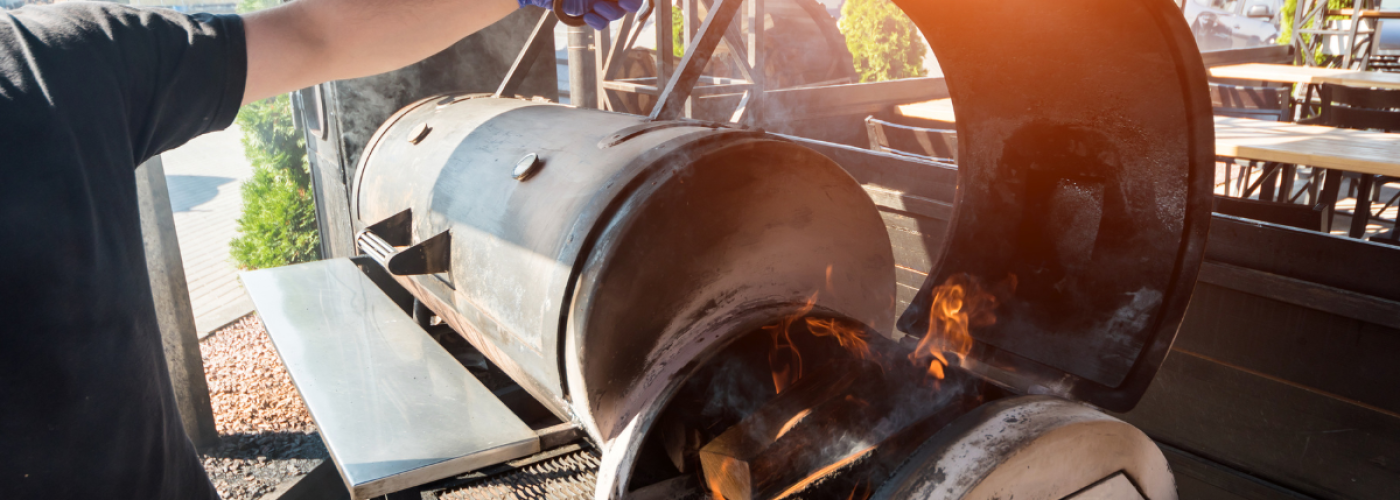
While you can grill on almost any barbecue or even a backyard fire pit, smoking typically requires specialized equipment. Smokers come in various forms such as offset smokers, pellet smokers, vertical water smokers, or ceramic kamado grills.
Some modern BBQ Red Deer units allow for both smoking and grilling, giving backyard cooks the best of both options.
Best Foods for Each Method
Grilling Works Best For:
- Steaks
- Burgers
- Hot dogs
- Chicken breasts
- Vegetables
- Fish (for a quick sear)
Smoking Works Best For:
- Brisket
- Pulled pork (pork shoulder)
- Ribs
- Sausages
- Whole chickens or turkeys
- Smoked cheeses and sides
Which Is Better?
Neither method is better than the other. They serve different purposes. If you want a quick, satisfying weeknight dinner, grilling is the way to go. If you’re aiming to create something rich, flavorful, and unforgettable, smoking is your method.
The best pitmasters know how to use both techniques depending on the situation.
While both smoking and grilling involve fire and flavor, they offer very different culinary results. Grilling is all about speed and sear. Smoking is about patience and depth. Understanding the differences helps you make better choices in the kitchen or out by the smoker.
Next time you’re planning a cookout or family dinner, consider the kind of experience you want to create. Whether you go smoked or grilled, both offer a path to delicious results.