
Smoking meat at home can seem intimidating at first, but once you understand the basics, it becomes one of the most rewarding cooking techniques you can learn. From the aroma of smoldering wood to the tender, flavorful results, smoking transforms everyday cuts of meat into something truly special.
This beginner’s guide covers everything you need to know to get started, from equipment and wood selection to choosing the right meat and mastering the process.
Why Smoke Meat?
Smoked vs. Grilled: What’s the Real Difference? Smoking is a method of slow cooking that uses indirect heat and wood smoke to infuse meat with deep, rich flavor. It is ideal for tougher cuts that benefit from long cook times, breaking down connective tissues to produce a tender texture and distinctive taste.
Unlike grilling, which uses high heat over a short time, smoking is all about low and slow. This method allows flavors to develop more fully and gives you that classic smoked BBQ Red Deer character.
What You Need to Get Started
You do not need a fancy setup to start smoking meat at home. Here are the basic tools:
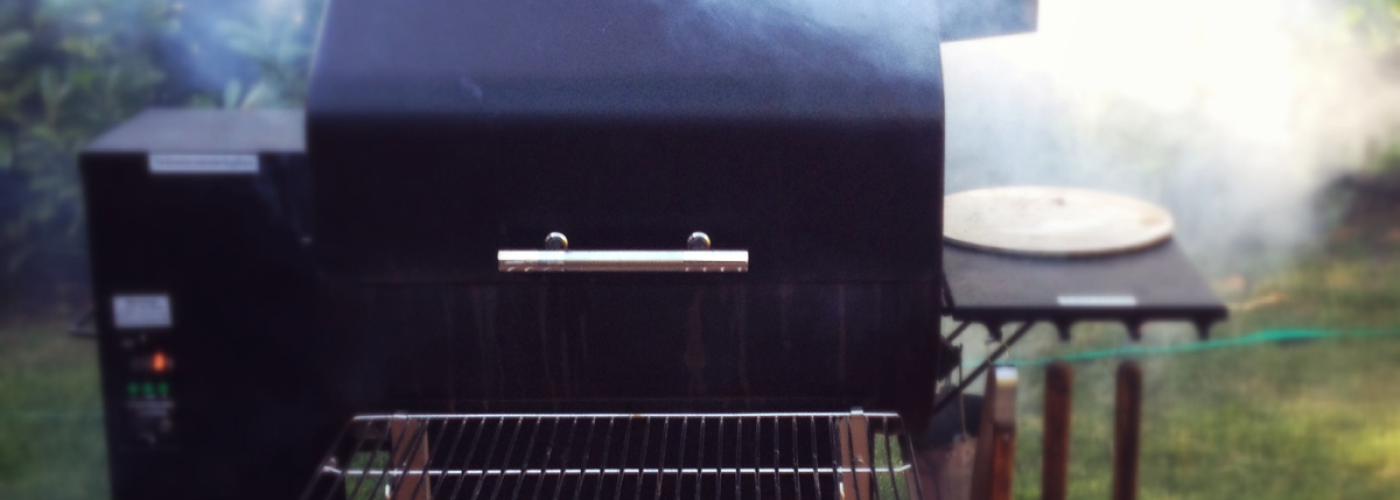
- Smoker: This can be an offset smoker, pellet smoker, vertical smoker, or even a modified charcoal grill. Choose one that fits your space and budget.
- Meat Thermometer: Essential for knowing when your meat is perfectly done without overcooking it.
- Wood Chips or Chunks: These provide the smoke and flavor. Different woods produce different results.
- Charcoal or Fuel Source: Unless you are using an electric or pellet smoker, you will need a consistent heat source.
- Drip Pan and Water Pan (optional): Helps control moisture and temperature during the cook.
Choosing the Right Wood
The type of wood you use greatly affects the flavor of your smoked meat. Here are some popular choices:
- Hickory: Strong, smoky flavor. Great for pork and beef.
- Applewood: Mild and sweet. Perfect for poultry and pork.
- Mesquite: Very strong and earthy. Best used in moderation or with hearty cuts like brisket.
- Cherry: Sweet and fruity. Pairs well with most meats, especially chicken and ham.
- Oak: A well-balanced smoke. A good all-purpose choice for beginners.
Best Meats to Start With
Some meats are more forgiving and easier for beginners to smoke. Try these first:
- Pork Shoulder (Pulled Pork): High fat content makes it hard to mess up. It cooks slowly and stays moist.
- Chicken Thighs or Whole Chickens: Cook faster than larger cuts and absorb smoke well.
- Beef Brisket: A BBQ favorite. It requires more attention but offers rewarding results.
- Ribs: Baby back or spare ribs are relatively quick to smoke and offer lots of flavor.
Basic Smoking Steps
- Prepare the Meat
Trim excess fat, apply a dry rub or marinade, and let it rest. Some prefer to refrigerate overnight for deeper flavor. - Set Up Your Smoker
Light your charcoal or start your electric/pellet smoker. Maintain a consistent temperature between 225°F and 275°F. - Add Wood for Smoke
Add your chosen wood chips or chunks once the smoker is at temperature. You do not need to soak them unless the manufacturer recommends it. - Monitor Temperature
Use a meat thermometer to check internal temps. Most meats are done when they reach the recommended safe temperature, but many benefit from going a bit beyond to break down connective tissue. - Let It Rest
After cooking, wrap the meat in foil or butcher paper and let it rest for 20 to 30 minutes. This helps retain juices.
Tips for Success
- Start Simple: Focus on one cut of meat at a time. Mastering pork shoulder or chicken first builds your confidence.
- Don’t Over-Smoke: Too much smoke can make meat bitter. Add wood gradually.
- Use a Water Pan: It helps stabilize the temperature and keeps the meat moist.
- Keep the Lid Closed: Every time you open the smoker, you lose heat and smoke. Trust the process.
Smoking meat at home is more than just a cooking method. It is a skill that combines patience, control, and creativity. With a little practice and the right setup, you can turn your backyard into a smoke-filled kitchen that produces restaurant-quality results. Whether you’re experimenting with your first rack of ribs or aiming to tackle a full brisket, remember that every cook is a chance to learn and improve. Before long, you will be serving up smoky, tender meat that rivals any BBQ joint.